
K-Scar
K-Scar: A Journey Along the Korean Division
K-Scar is a documentary project on internet by journalist Roland de Courson exploring the inter-Korean border, its history, landscapes, and the people living in its shadow.
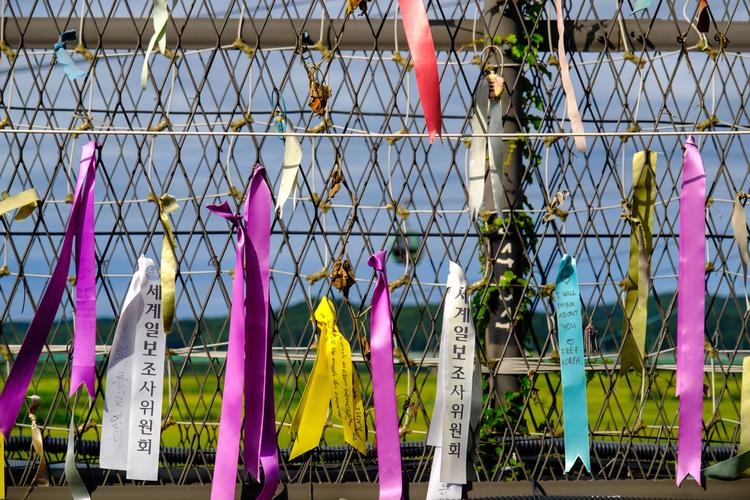
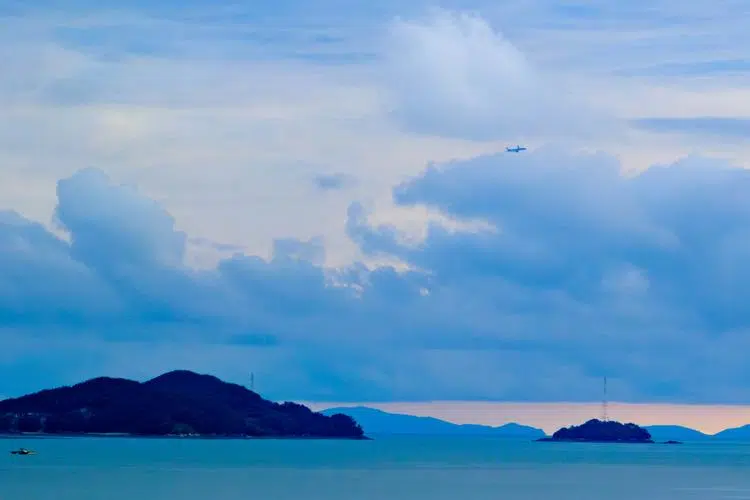

Click on locations on the map or choose from the list below.
Baengnyeong
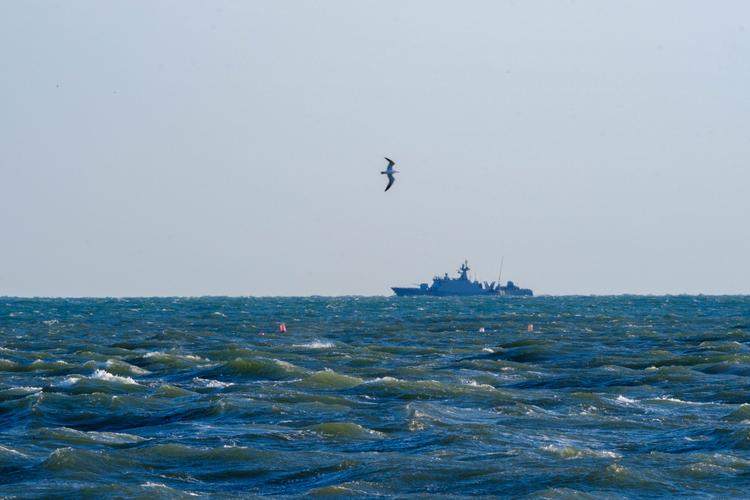
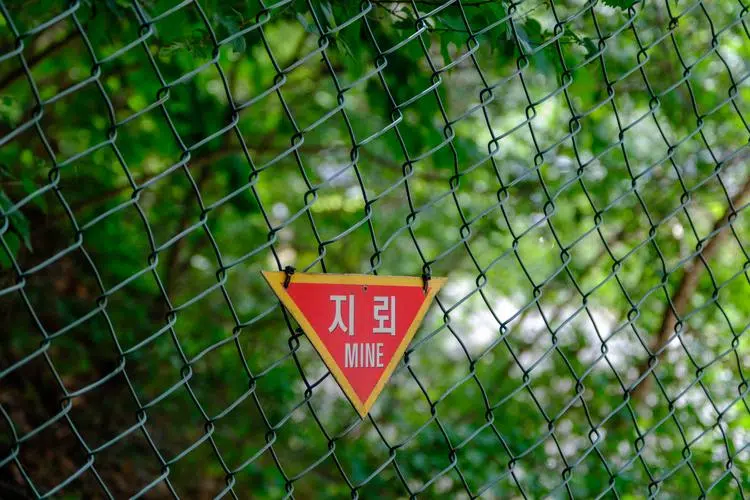
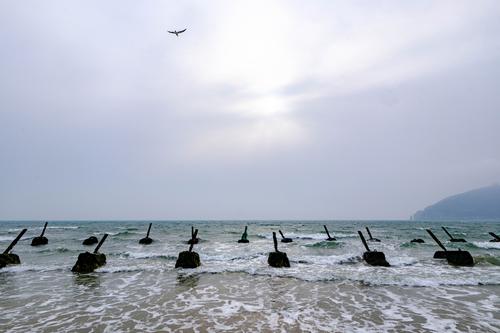
Baengnyeong-do’s beaches have signs reading “North Korean defectors, we welcome you — press the button.” Behind them: minefields, artillery caves, and 6,000 civilians, on South Korea’s most remote island just a stone’s throw from the enemy. READ
Yeonpyeong
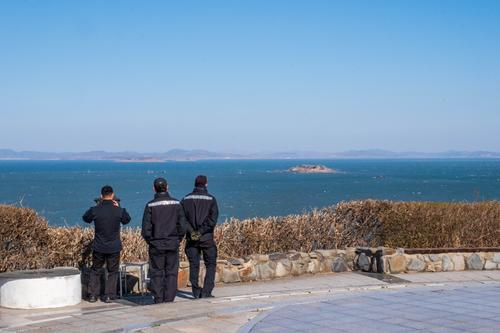
Every road in Yeongpyeong-do leads to a Marine base. Air-raid shelters are always stocked. And in 2010, the island burned for hours after a North Korean artillery strike. READ

Han River Estuary
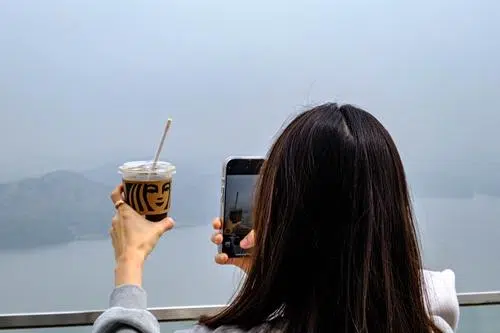
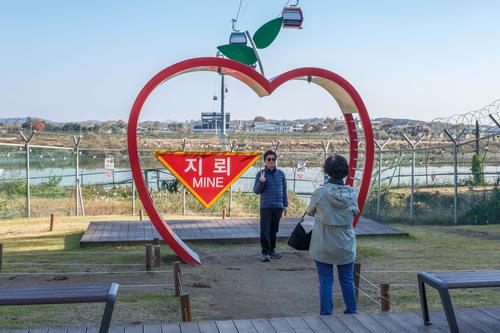
A Starbucks opened facing North Korea in a restricted military zone. Since then, tens of thousands of tourists have come to photograph their latte with a view of the North. READ
Camp Greaves
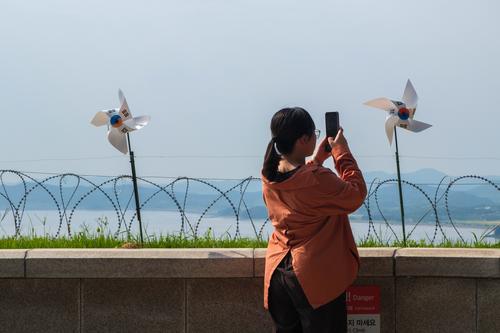
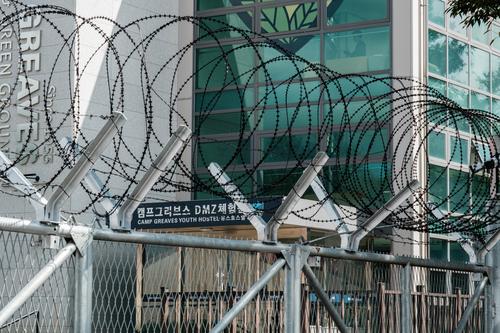
The powder magazines are now art galleries. The bowling alley is an exhibition hall. A Cold War combat base 2 km from the DMZ, arrived by Peace Gondola. READ
Abductees Memorial
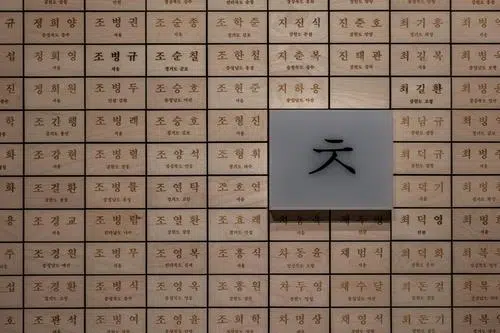
North Korea abducted a 13-year-old girl from a Japanese beach, a film director in Hong Kong, and 95,456 Korean civilians. A little-known memorial near the DMZ. READ
Dora & Third Tunnel
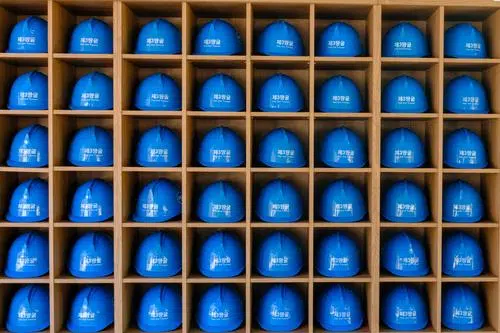
North Korea blasted a tunnel under the DMZ designed to move 30,000 troops per hour into the South — then painted the walls black and claimed it was a coal mine. READ
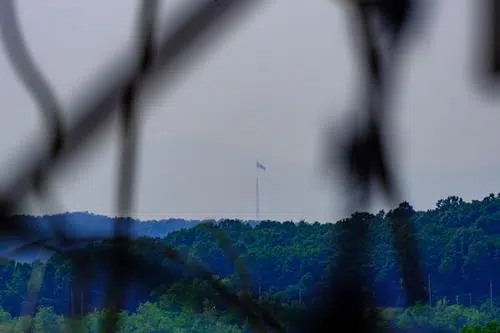
Unification Village
One of the few civilian villages inside the border buffer zone, where residents farm under military regulations — with a direct view of a giant flagpole flying North Korea’s colours. READ
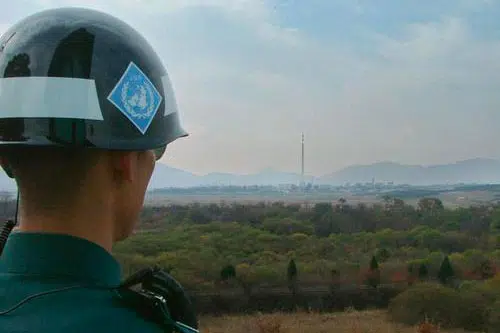
Joint Security Area
A death waiver to visit. A defection mid-tour. Donald Trump crossing to North Korea by foot. The JSA has always been stranger than fiction. READ
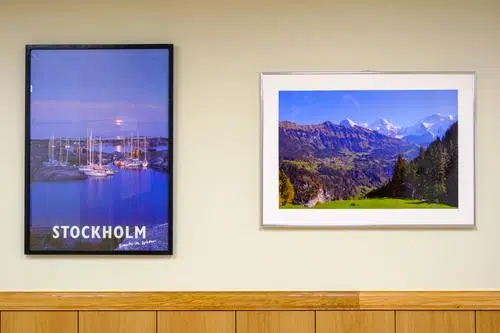
Swiss & Swedish Camp
Swiss and Swedish soldiers have been slipping reports into a letterbox in the DMZ since 1953. North Korea no longer picks up the mail. They keep writing anyway. READ
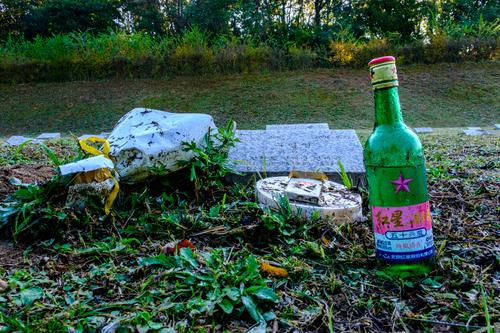
Enemy Cemetery
There are no signs to find it. Intelligence reportedly hided cameras there to spot communist sympathizers. Yet someone keeps leaving flowers, cigarettes and booze on the graves of the North Korean soldiers and spies. READ
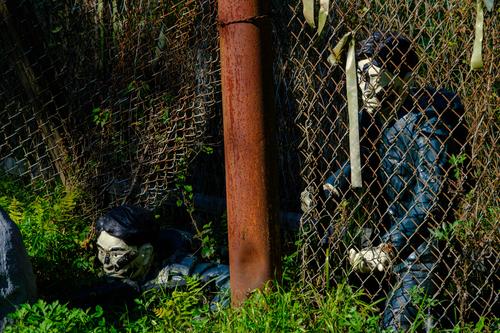
Jan. 21 Infiltration Place
In 1968, 31 North Korean commandos crossed the DMZ here with the aim of reaching Seoul to assassinate the president. No action movie comes close to matching the intensity of their bloody saga. A bizarre diorama is there to remind us of it. READ
Workers Party H.Q.
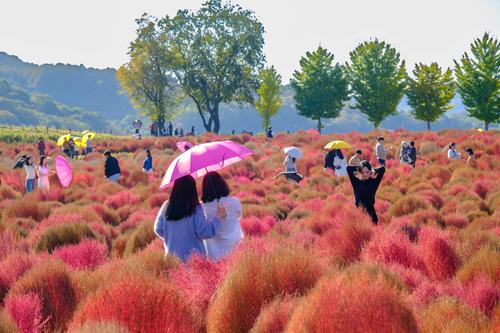
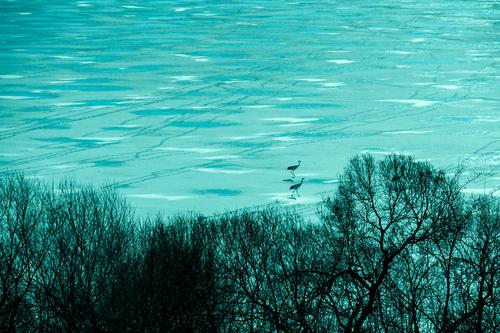
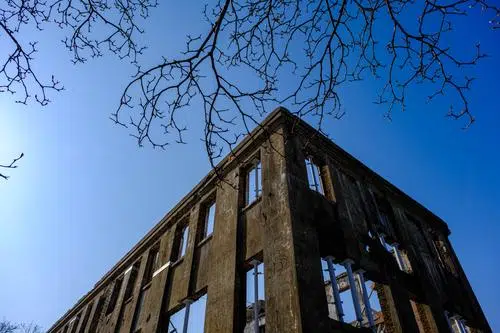
The very embodiment of evil in the eyes of some, the North Korean Workers’ Party headquarters in Cheorwon has been left exactly as the Korean War left it — bombed, roofless, and steeped in the tragic memory of those who were tortured to death there. READ
Central Front
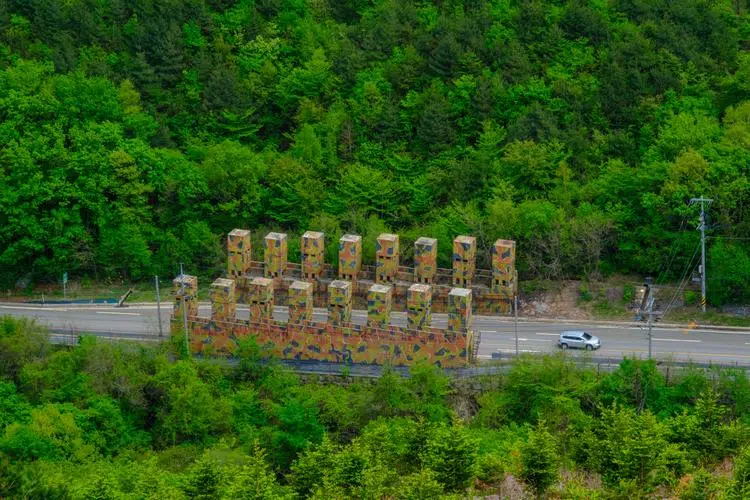
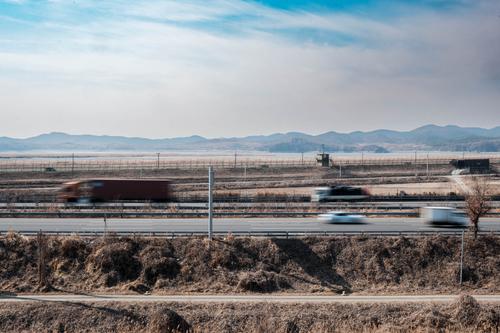
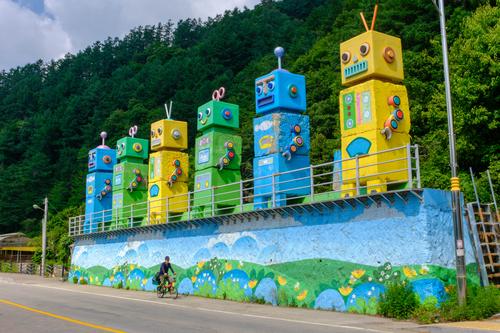
You have 30 minutes to drive 25 kilometres along the DMZ on National Route 5. Stopping is forbidden. Every car is checked. The landscape is beautiful. There is not much else to see. READ
Eastern Front
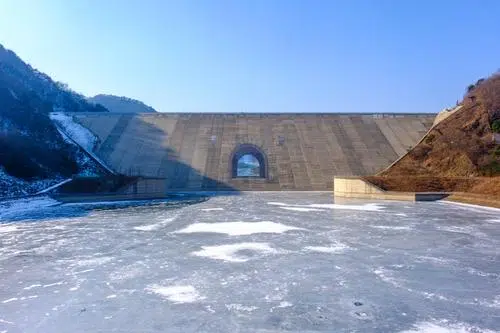
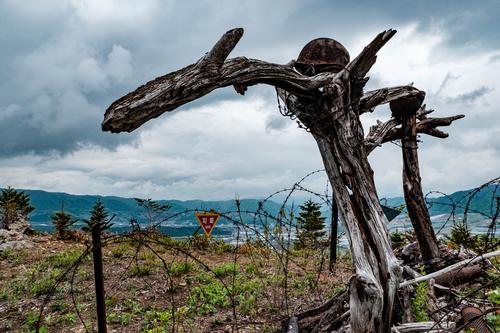
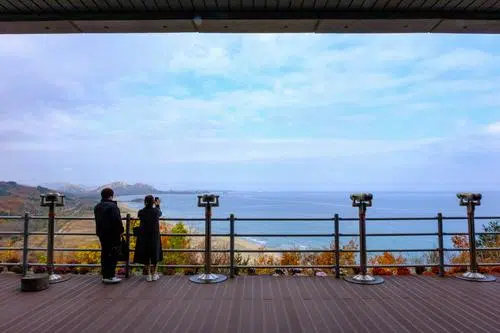
The Korean DMZ ends where the mountains meet the sea. From Goseong Observatory, the barbed wire runs down a ridge, into the water, and stops. Beyond it, Mount Kumgang and North Korea. READ
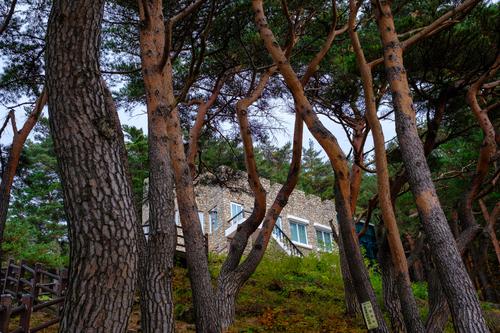
Kim Il Sung's Villa
The founder of the Kim dynasty in the North vacationed here with his family before the Korean War. Afterwards, his mortal South Korean enemy Syngman Rhee built his own summer cottage just down the road. READ
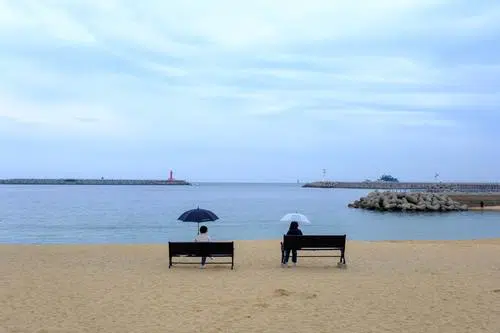
Abai Village
On Christmas Eve 1950, a cargo ship built for 60 passengers sailed from North Korea with 14,000 refugees aboard. A small handful of them—and their many descendants— still live in Abai Village, Sokcho. READ